
How DJ Student Transformations Really Happen
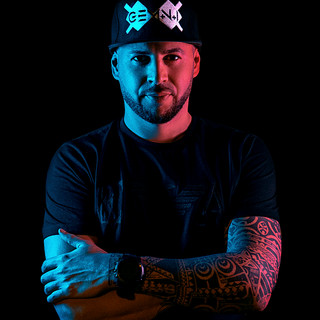
The first time a learner holds a clean mix for longer than a few seconds, the change is visible. Their shoulders settle, they stop staring at the waveforms, and they begin listening to the room they want to create. That is where DJ student transformations start: not with expensive equipment or a perfect playlist, but with the confidence to make a musical decision and stand by it.
For aspiring DJs, the gap between loving music and performing it can feel enormous. You may know every drop in your favourite tracks yet freeze when it is time to choose the next one. You may have watched countless tutorials but still struggle to beatmatch, phrase a transition, or recover when something does not land. Progress becomes real when learning is personal, practical and repeated under the guidance of someone who knows what good DJing sounds and feels like.
DJ student transformations are built, not promised
A strong DJ does more than press play at the right moment. They read energy, understand structure, select tracks with intent and stay composed when the unexpected happens. These abilities cannot be downloaded in an afternoon. They are built through focused coaching, hands-on repetition and feedback that speaks to the individual learner.
Private training changes the pace of that process. Instead of waiting for a class to move on, a beginner can spend time on the exact point causing hesitation. An intermediate DJ can work on cleaner blends, more confident EQ control or sharper set planning. An advanced performer can refine their musical identity and prepare for higher-pressure performance situations.
That is why one-to-one lessons create such visible progress. The session follows the learner, not a generic timetable. It also makes space for honest questions: Why did that transition clash? Why does this mix feel rushed? What should happen when the crowd energy drops? These are the details that turn technical knowledge into performance instinct.
The shift from listener to performer
Most students arrive with taste. They have favourite genres, artists and moments in music that made them want to learn. The early transformation is learning to translate that taste into a workable set.
At first, learners often focus on individual tracks. They want to play the songs they love, which is the right place to begin. But DJing teaches a bigger perspective. A set is not a playlist. It has movement, contrast and direction. One track prepares the listener for the next; a well-timed change can raise anticipation, reset the mood or create a memorable peak.
This is where phrasing becomes a breakthrough. Once a student understands the musical sections within a track, transitions become more deliberate. They are no longer hoping two songs will fit. They know when to bring in a new element, when to hold back and when to let a track breathe.
Technical development supports that musical judgement. Beatmatching improves timing. EQ work creates cleaner handovers. Cueing develops preparation. Effects can add character, but only when used with purpose. The trade-off is simple: chasing flashy techniques too early can distract from the fundamentals. A controlled, well-selected mix will always make a stronger impression than a complicated transition with no musical reason behind it.
Confidence comes from recovery skills
No DJ performs every transition perfectly. Even experienced performers need to adjust to unfamiliar equipment, a different room or a track that behaves differently than expected. The difference is that they recover without letting the moment take control.
Students build confidence when they practise these situations in a supportive environment. A missed cue, a drifting beat or an awkward track choice becomes useful material rather than proof that they are not good enough. They learn to correct timing, use the next phrase, lower an element, or make a decisive change.
This matters because confidence is not loudness. It is the calm understanding that a small mistake does not end a set. The more a learner handles these moments during training, the more naturally they perform when it counts.
What practical DJ progress looks like
Real progress is easy to spot, even when it happens gradually. A student who once needed several attempts to line up two tracks begins to do it reliably. Someone who only played one genre starts building a set with pace and contrast. Another learner becomes able to explain why a track belongs at a particular point rather than simply saying it sounds good.
The biggest developments often happen across four connected areas:
Musical awareness: understanding tempo, key, phrasing, arrangement and energy.
Technical control: using decks, mixers, cue points, EQ and effects with accuracy.
Set construction: choosing tracks that tell a coherent story for a specific audience or setting.
Performance mindset: staying present, making decisions and responding to what is happening in the moment.
Not every student progresses in the same order. A naturally musical learner may need more time with equipment handling. Someone who is technically confident may need help developing a more distinctive selection style. This is precisely why individual tuition matters. The best route depends on where the student is now and where they want DJing to take them.
DJ student transformations need the right standard
Learning at home can be useful for keeping momentum, especially between lessons. However, a learner working alone can repeat the same habit for weeks without realising it. They may overuse an effect, rely on the sync button without understanding phrasing, or avoid the styles and transitions that would stretch their ability.
Professional guidance provides a clear standard. Feedback is immediate and specific. Rather than hearing that a mix is “not quite right”, the student understands whether the issue is timing, frequency clash, track structure or energy. That clarity removes frustration and replaces it with a next step.
At Dancemania Dubai, private DJ training is designed around this kind of practical development. With more than 1,000 trusted customers, award-winning students and learners from over 50 nationalities, the focus remains on building skills that can be heard, felt and used. Whether you are taking your first session or refining an established approach, the aim is not to copy another DJ. It is to develop control and confidence in your own sound.
Practice with a purpose
The most effective practice is short, focused and repeatable. Instead of trying to record a perfect hour-long set every time, choose one skill to improve. Spend time matching two tracks by ear. Create three different transitions between the same pair of songs. Build a 15-minute sequence and listen back for energy, not just technical mistakes.
Recording practice sessions is particularly valuable. In the moment, a transition may feel smooth because you are concentrating hard. Listening back reveals whether the basslines fought each other, whether the change happened too soon, or whether the track choice actually delivered the energy you intended. It can feel uncomfortable at first, but it accelerates improvement.
A useful rule is to make practice slightly harder than performance. If you can mix comfortably at home, challenge yourself with unfamiliar tracks, tighter phrasing or a different genre. Then, when you play a set you know well, you will feel more prepared rather than exposed.
From a course to a creative identity
The final stage of transformation is not simply being able to mix. It is knowing what you want people to remember about your set. Some DJs create intensity. Others build groove, nostalgia, surprise or atmosphere. Your identity does not need to be forced in the first lesson, but it should emerge as your musical knowledge and technical control grow.
This is also where goals become useful. You may want to play for friends, create mixes you are proud to share, prepare for an event, or take your DJing to a more serious level. Each goal calls for a slightly different training focus. A social set needs confidence and crowd-friendly flow. A more ambitious performance calls for deeper preparation, stronger adaptability and a recognisable point of view.
The right next step is not to wait until you feel completely ready. Book the session, bring the music that made you curious, and let focused practice turn that curiosity into capability. Every confident DJ began with one transition they were determined to get right.


Comments