
Music Studios That Move Your Sound Forward
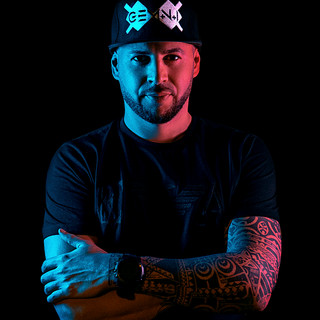
The first time you hear your voice, mix or beat played back properly, the difference is immediate. Music studios give creative ideas the focus they need: a place to practise with purpose, solve technical problems and turn an unfinished concept into work you are proud to share.
Why Music Studios Matter Beyond the Equipment
A studio is not simply a room full of impressive gear. The real value is the environment around the equipment: a controlled listening space, a clear workflow and, when you are learning, someone experienced enough to tell you what to improve next.
At home, it is easy to pause a tutorial, second-guess every setting and leave a project half-finished. In a dedicated session, your time has a purpose. You arrive with a track, a vocal idea or a performance goal, then make decisions that move it forward.
For aspiring DJs, producers and vocalists, that shift can be huge. Progress stops being about collecting more plugins, watching more videos or waiting to feel ready. It becomes practical: tighten the transition, shape the arrangement, deliver the next vocal take with more control.
The Right Studio Depends on Your Goal
Not every creative session needs the same setup. Choosing well starts with being honest about what you want to achieve, not just what looks professional on social media.
For DJ performance
A DJ needs a space where technique can become instinct. That means hands-on time with a proper performance setup, not just theory about beatmatching or track selection. Private coaching can focus on the details that define a confident set: phrasing, timing, energy control, EQ discipline and recovering smoothly when something does not go to plan.
A beginner may need to build the foundations without feeling judged. An experienced DJ may be preparing a tighter set, improving transitions between genres or refining their musical identity. One-to-one sessions are valuable because the pace changes with the person in front of the decks.
For music production
Production is where ideas can become complicated very quickly. A strong chord progression may need a better arrangement. A promising beat may lack movement. A mix may sound clear on headphones but lose impact when played through speakers.
Good production training brings order to that process. You learn how to organise a project, select sounds with intention, use effects without burying the music and make better decisions before the final mix. The goal is not to copy someone else's workflow perfectly. It is to develop one that helps you finish tracks consistently.
There is a trade-off here. Working alone can give you total freedom, but it can also make mistakes harder to spot. Guided studio time gives you feedback while your choices are still easy to change. You remain the artist, while gaining a clearer route from first idea to completed production.
For vocal recording
Recording vocals is both technical and personal. The microphone may capture every detail, but a strong take also depends on preparation, confidence and feeling comfortable enough to perform naturally.
A professional recording session gives a vocalist time to settle into the song, test delivery and focus on expression. You may discover that the quietest line needs more intention, that a chorus needs a different energy or that a second take carries more emotion than the first. These are creative decisions, not merely technical fixes.
For independent artists, recording in a dedicated environment also creates a useful standard. You learn how to prepare lyrics, practise timing and arrive ready to use studio time well. That discipline carries into every future session.
What Personal Guidance Changes
The most expensive part of learning music is often not the course fee or studio booking. It is spending months repeating a mistake because nobody has pointed it out clearly.
Personal guidance makes feedback specific. Rather than hearing that a mix needs more polish, you can understand whether the problem is arrangement, sound choice, balance or low-end control. Rather than being told to practise more, a DJ can identify exactly which transition or cueing habit needs work.
This is why appointment-based training suits people who want measurable progress. There is space to ask questions, repeat a technique and work at a level that makes sense for you. Beginners are not rushed through advanced concepts, while intermediate and advanced artists are not held back by a generic syllabus.
Dancemania Dubai has built its approach around that individual attention, supported by more than 20 years of music-industry experience and a community of award-winning students. With over 1,000 customers served in the UAE across more than 50 nationalities, the focus remains simple: practical creative development that gives each person something real to take away from the session.
How to Get More From Studio Time
The best sessions begin before you enter the room. If you are recording, bring final lyrics, a reference version of your song and a realistic sense of what you want to capture. If you are producing, bring your project files, any unfinished ideas and notes on where you feel stuck. If you are learning to DJ, choose music you genuinely know well enough to discuss and practise.
Do not arrive expecting perfection. Arrive ready to make progress. A productive session might mean completing a vocal, correcting one recurring mixing issue or finally understanding why a transition feels rushed. Small breakthroughs compound when you keep practising between appointments.
It also helps to set one main outcome. Trying to write, produce, mix and master a track in one session can dilute your attention. Focus on the next meaningful stage instead. Clarity creates better work and makes feedback far more useful.
Quality Is About Confidence, Not Intimidation
Some people avoid music studios because they assume they need advanced knowledge before booking. The opposite is often true. A supportive studio environment can be where you learn the language, tools and habits that make music production or performance feel less overwhelming.
You do not need to know every control on a DJ setup before your first lesson. You do not need a flawless voice before recording. You do need curiosity, commitment and a willingness to hear constructive feedback. Technical skills can be taught. Confidence grows through repeated action.
For more experienced artists, quality means being challenged rather than simply praised. A useful mentor respects your sound while asking the questions that improve it: Is the arrangement earning its final drop? Does the vocal delivery match the lyric? Is every element helping the track say what you want it to say?
Make the Next Session Count
The right studio experience should leave you with more than a file, a recording or a new technique. It should give you momentum. You should leave knowing what improved, what to practise and what your next creative step is.
If you have been waiting for the perfect moment to begin, make the next booking your starting point. Bring the unfinished track, the song you keep rehearsing or the DJ set you want to perform with confidence. The work becomes real when you give it focused time, expert attention and a room designed for music to happen.


Comments