
Music Tuition That Gets You Ready to Perform
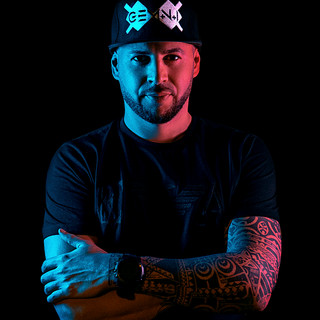
Your first clean transition, finished track or confident vocal take changes the way you hear music. Music tuition should get you to that moment faster - not leave you stuck watching tutorials, copying settings and wondering what to practise next.
For aspiring DJs, producers and vocalists, the difference is personal direction. You need someone to hear where you are now, identify what is holding you back and show you exactly what to do next. That is how creative interest becomes a skill you can use in the booth, the studio or your own releases.
What Great Music Tuition Should Give You
Good tuition is not about collecting information. There is no shortage of videos explaining a DJ transition, a plug-in or a vocal warm-up. The challenge is applying the right technique at the right stage of your development.
Private, hands-on training gives you immediate feedback. A DJ can learn why a mix feels rushed rather than simply being told to beatmatch. A producer can understand why a drop lacks impact, then rebuild it with purpose. A vocalist can work through timing, delivery and microphone technique in a professional recording environment instead of judging every take alone through headphones.
The strongest progress comes from sessions built around practical outcomes. That may be completing a structured DJ routine, producing a track section that sounds balanced, or recording vocals you are proud to share. Theory matters, but it should support the work, not replace it.
Personal feedback beats generic advice
Two beginners may have the same ambition and completely different starting points. One may have a strong ear but no confidence using DJ equipment. Another may understand production software yet struggle to arrange a track from start to finish. A fixed classroom pace cannot always serve both.
One-to-one music tuition creates room to ask the questions that matter to you. You can repeat a technique without pressure, move ahead when you are ready and spend more time on the skills that support your goals. That personal attention is especially valuable when you have limited time outside work, study or family commitments.
Choose Your Route: DJing, Production or Vocal Recording
Music training works best when the destination is clear. You do not need to have your entire career mapped out, but you should know what you want to be able to do after your first set of sessions.
Learn to DJ with control and confidence
DJ tuition is about much more than pressing play. You are learning to listen actively, count phrasing, manage energy and make decisions that keep a set moving. Technical skills such as cueing, beatmatching and EQ control create the foundation, but track selection and timing give your performance personality.
Beginners often benefit from building confidence on professional equipment from day one. Intermediate DJs may need to tighten transitions, develop genre-specific set flow or prepare for a live performance. Advanced learners may want detailed feedback on their identity, crowd reading and the small technical habits that separate a decent set from a memorable one.
There is a trade-off here. Learning software alone can be convenient, but it does not always prepare you for the feel and workflow of a real DJ set-up. Practical tuition helps close that gap.
Produce music you can finish
Production can feel overwhelming at first. You may know how to make a beat, find sounds you like and open a digital audio workstation, yet still struggle to turn an eight-bar loop into a completed track.
A focused production programme breaks that process into achievable decisions. You learn how to develop ideas, arrange sections, select sounds that work together and create a mix with clarity and movement. As your ability grows, you can explore more detailed areas such as automation, creative effects, low-end control and stronger transitions.
The goal is not to make every track sound identical. It is to understand the tools well enough to make intentional choices. Some producers want club-ready electronic music; others want a reliable creative process for their own projects. Your training should reflect that.
Record vocals with professional support
For singers, rappers and independent artists, recording is a performance skill of its own. A great voice can sound uncertain if the artist is unfamiliar with microphone technique, headphone balance or the pressure of hearing every detail played back.
A guided recording session lets you concentrate on delivery while receiving practical support. You can work on breath control, consistency, phrasing and the emotional character of a take. You also gain a clearer understanding of how vocals sit within a track, which is useful whether you are recording your first song or developing your next release.
Perfect takes are not always the aim. Sometimes the strongest recording has texture, edge and personality. The key is knowing when a choice is expressive and when it is simply getting in the way of the song.
How to Get More From Private Music Tuition
Show up with a goal, even if it is a simple one. Perhaps you want to play a 20-minute DJ set without stopping, complete your first full arrangement or record a vocal demo with confidence. A clear target gives each session direction.
Bring the music that inspires you. Reference tracks reveal a lot about your taste, whether you are drawn to high-energy builds, stripped-back grooves, detailed sound design or intimate vocals. A good tutor can use those references to explain techniques in a way that feels relevant rather than abstract.
Practise between sessions, but keep it manageable. Thirty focused minutes spent repeating one transition or refining one section of a track can be more valuable than hours of unfocused experimentation. Write down the exercises that challenged you and revisit them until they become natural.
It also helps to accept that progress is not always dramatic. Your ear often improves before your confidence catches up. You may suddenly notice timing issues in a mix or imbalance in your production that you never heard before. That is not failure - it is evidence that your listening skills are developing.
Why the Right Environment Matters
Creative confidence grows faster in an environment designed for the work. Professional DJ equipment, capable production tools and a dedicated recording space remove many of the distractions that slow learners down at home.
More importantly, the environment should feel supportive. You need room to make mistakes, ask basic questions and try again without embarrassment. The best tuition is demanding enough to push you forward while giving you the encouragement to keep going.
At Dancemania Dubai, learners receive one-to-one, level-based coaching shaped by more than 20 years of music-industry experience. With more than 1,000 customers served in the UAE and an international student community spanning 50 nationalities, the focus remains on practical progress that fits your individual ambition.
Make Your Next Session Count
Before booking, think about the result you want to hear or perform within the next few weeks. That could be a smoother mix, a finished track idea, stronger vocal delivery or simply the confidence to use professional equipment without second-guessing yourself.
Private training is an investment, so choose a format that gives you real time on the tools and feedback you can apply straight away. If flexible payment matters, instalment options can also make it easier to start while your motivation is high.
Your music does not need to wait until you feel completely ready. The right guidance gives you a place to begin, a standard to work towards and a reason to keep showing up until your skills sound like your ambition.


Comments