Best DJ Courses for Real Performance Skills
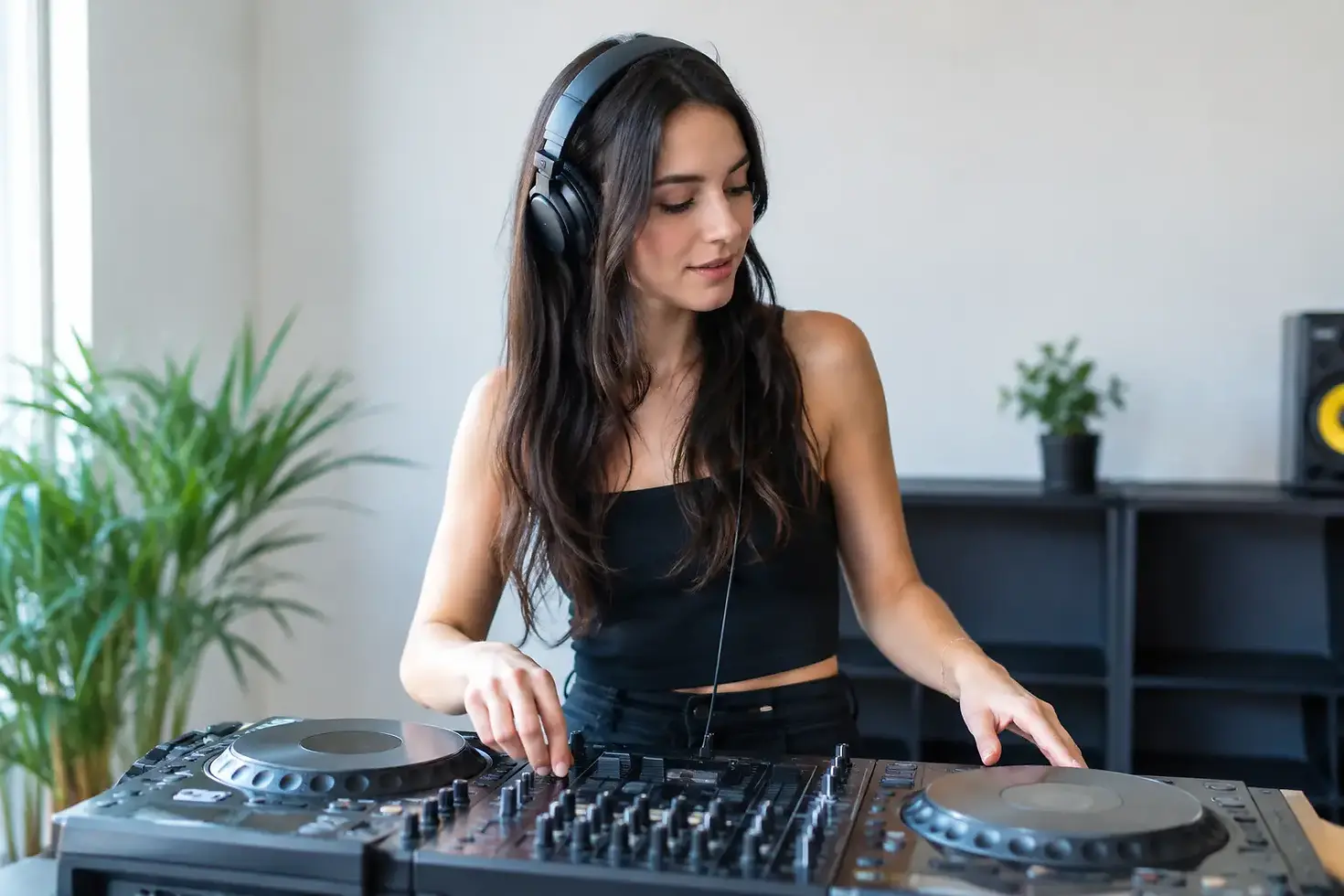
A DJ set can look effortless from the dancefloor: the next track lands at exactly the right moment, the energy rises, and the room moves together. Behind that moment is a skill set built through repetition, musical judgement and direct feedback. The best DJ courses do not simply show you where the buttons are. They teach you how to make confident decisions when the music is playing and people are listening.
For aspiring DJs in Dubai, the difference matters. Watching tutorials can introduce a technique, but it cannot tell you why your transition felt rushed, why two tracks fought each other, or how to recover when a mix does not land as planned. Personal, practical training turns curiosity into a performance skill you can actually use.
What the Best DJ Courses Should Teach
A strong DJ course should begin with the equipment, but it should never stop there. You need to understand decks, mixers, cueing, tempo control and headphone monitoring before you can perform with freedom. Yet technical familiarity is only the foundation. The real goal is to use those tools with purpose.
The best DJ courses build each stage around practical outcomes. A beginner should leave early sessions able to prepare a small set, beatmatch cleanly and transition between tracks without panic. An intermediate DJ should learn to control energy, use phrasing instinctively and make better track choices for different settings. Advanced learners need room to refine their own identity, solve technical weak points and practise longer, more demanding sets.
That progression is why generic, one-size-fits-all lessons often disappoint. Someone who has never used DJ equipment needs patient, clear direction. Someone who already mixes at home does not need to spend every lesson on basic terminology. Private tuition allows the training to meet you where you are, then move at the pace your progress deserves.
Mixing is more than matching BPM
Beatmatching is an essential skill, whether you use sync features or prefer to mix manually. It develops your ear, timing and awareness of what is happening in each track. But matching BPM alone will not make a mix sound musical.
Good instruction should cover phrasing: recognising where intros, builds, drops and breakdowns sit within a track. It should teach you when to bring in the next record, when to hold back and when a clean, simple transition is stronger than an overworked effect. These are the details that make a set feel intentional rather than accidental.
You should also learn gain control and EQ technique. A powerful bassline from two tracks playing together can quickly muddy the sound if it is not managed properly. Knowing how to make space in a mix is one of the fastest ways to sound more polished.
Track selection creates your signature
Technical skills get tracks from one point to another. Music selection gives the set its personality. The right course helps you understand key, tempo range, genre, mood and audience energy without reducing DJing to a formula.
There are moments when a surprising selection can transform a room. There are also moments when it can lose one. Learning to read the energy of a set, prepare alternative routes and choose music with confidence is as valuable as learning a new transition.
This is particularly important for DJs who want to play beyond their bedroom or home setup. A great playlist does not automatically become a great DJ set. You need to know how tracks behave in sequence, which combinations create momentum, and which favourite tunes are better saved for another moment.
Why Private DJ Training Delivers Faster Progress
A group class can be social, but it often means waiting your turn on the equipment and following a pace set for everyone else. One-to-one DJ coaching gives you active time on the decks and immediate feedback on every important habit.
If your timing slips, your instructor can identify why. If your track preparation needs work, you can reorganise it during the session. If you are ready to move from basic transitions to more creative techniques, you do not have to wait for the rest of the class to catch up. Every lesson has a clear focus because it is built around your goals.
Private training is also more effective for confidence. Many new DJs worry about making mistakes in front of others. In a focused studio environment, mistakes become useful information. You can practise cueing, transition timing and recovery techniques repeatedly until the process feels natural.
At Dancemania Dubai, this hands-on approach is shaped by more than 20 years of music-industry experience and a community of award-winning students. With 1,000+ trusted customers and learners from over 50 nationalities, the focus remains simple: personal guidance, practical ability and progress you can hear in your own mixes.
Choose a Course That Matches Your Goal
Before booking, be honest about what you want from DJ training. Your ideal course depends on your starting point and the kind of DJ you want to become.
If you are a complete beginner, look for a course that removes the intimidation factor. You should have time to learn the layout of professional equipment, understand your music library and practise foundational transitions. The aim is not to impress anyone in the first lesson. The aim is to establish correct habits that make future progress easier.
If you have already practised independently, your course should identify the gap between knowing techniques and delivering a convincing set. Perhaps you can beatmatch but struggle with phrasing. Perhaps your transitions work, but your sets do not build energy. Targeted sessions can address those exact issues rather than repeating what you already know.
For advanced DJs, the value is in detail. This may mean refining blends, improving set structure, exploring more expressive use of loops and effects, or preparing for a specific performance opportunity. Advanced coaching should challenge your choices, not just praise your existing style.
Questions worth asking before you book
Ask whether the training is truly private, how much time you will spend actively practising, and whether the programme can adapt to your level. Find out if you will work on professional-standard equipment and whether your instructor gives practical feedback rather than simply demonstrating techniques.
It is also worth asking how the course handles music preparation. DJing begins before you touch the decks. A well-organised library, correctly analysed tracks and purposeful playlists make practice more productive and performances less stressful.
Price matters, but the cheapest option is not always the best value. A course with limited equipment time or broad, unpersonalised content can cost less while slowing your development. Flexible payment options can make high-quality private tuition more accessible, especially when you are investing in a skill you plan to use for years.
From First Mix to Confident Set
Progress becomes real when you can record a short mix and hear the improvement yourself. At first, focus on clean transitions and sensible track choices. Do not chase complicated tricks before your timing and phrasing are reliable. A simple blend that sounds right will always beat a flashy technique that disrupts the music.
Set small performance goals after each session. Build a 15-minute mix in one style. Then prepare a second version with a different energy. Record both, listen back critically and note where you hesitated, rushed or made a strong choice. This habit develops self-awareness, which is one of the most valuable skills a DJ can have.
The best course gives you structure, but your own practice gives that structure momentum. With private coaching, a clear goal and regular time on the decks, the distance between “I love music” and “I can play a set” becomes much shorter. Book a session when you are ready to turn that first idea into sound people will remember.


Comments